

October 27, 2026
AI Overview tracker · build one with SearchApi for $40 a month billed monthly
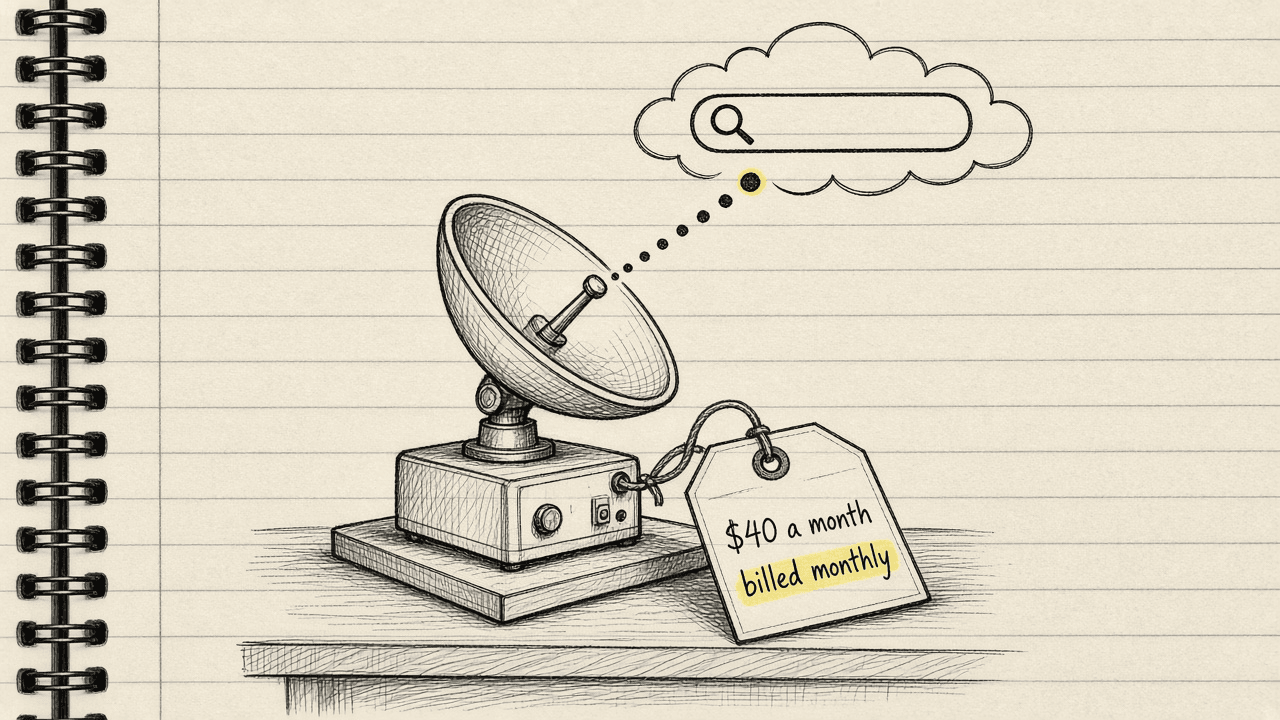
SearchApi’s Developer plan costs $40 a month billed monthly for 10,000 searches, enough to track 100 keywords a day for Google’s AI Overviews. See the math and why a regular search can return the AI Overview for free.
The short answer
An AI Overview is Google’s AI-written summary that can appear above the normal list of links on a search results page. A SERP API, short for search engine results page, is a service that runs a Google search for you and hands back the result as structured data instead of a web page a person has to read. Finding out whether a set of keywords trigger an AI Overview, and what it says, takes one search call through a SERP API like SearchApi.
SearchApi’s Developer plan costs $40 a month billed monthly for 10,000 searches, about $4 for every 1,000 searches. That is room enough to check around 100 keywords once a day for a full month, with quota left over. A tracker built this way does not need a finished dashboard product. It needs one script and one plan.
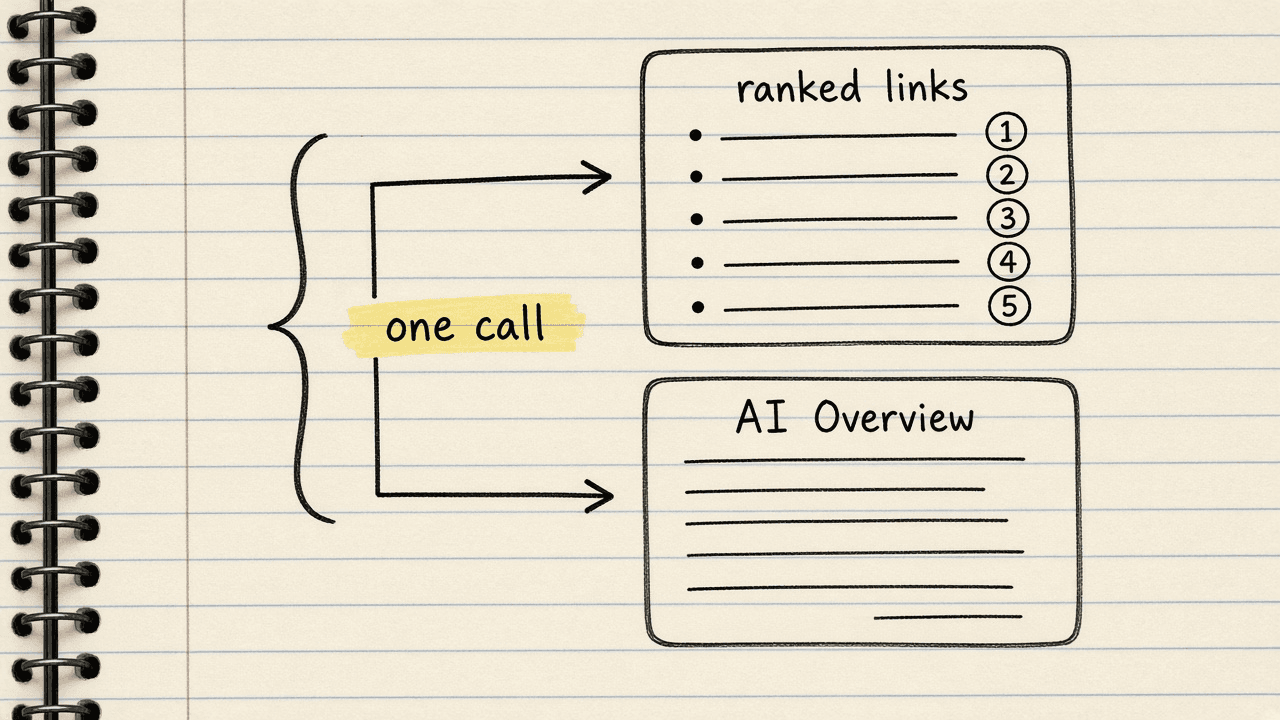
One search call can return both answers
SearchApi’s plain google engine takes a search term in the q parameter. It also takes location, gl for country, hl for language, device, and page. The response includes organic_results, the regular ranked list of links, each with a position field showing where a page lands.
The same response also includes a top-level ai_overview object whenever Google shows an AI Overview for that search, with no second request needed. That object carries text_blocks, a markdown version of the summary, and reference_links, the pages Google cites inside the summary. A script that tracks 100 keywords for AI Overview presence gets the organic rank and the AI Overview content from the same call, at the same price.
When the second call is worth making
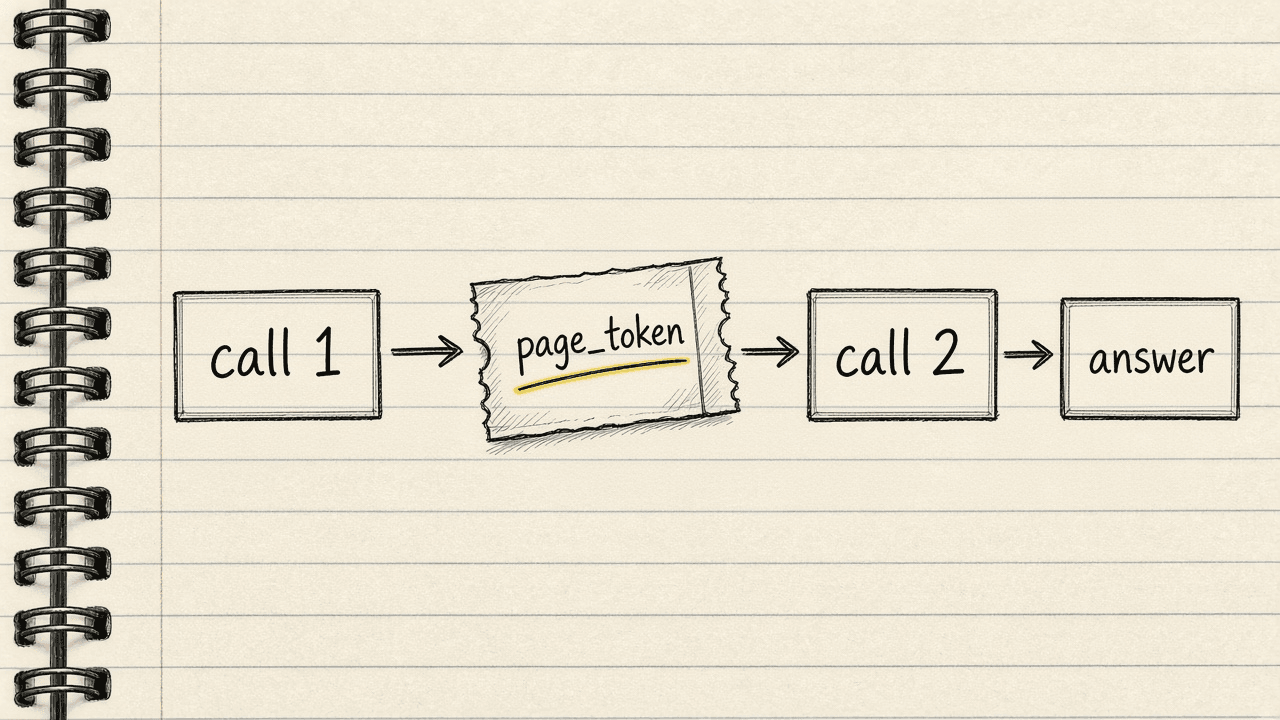
Related Questions are the follow-up questions on a results page. They load their own answer after the page opens, and they work differently from a plain AI Overview. For those, SearchApi’s google engine hands back a page_token, a short code that stores the exact search details needed to fetch one more answer, instead of the answer text itself. A script has to take that token and send it to a separate engine=google_ai_overview call to get the Related Questions answer.
A tracker built to cover Related Questions needs that two-step chain built in from the start. The common job is finding out whether a keyword triggers an AI Overview at all. This second engine is not needed for that job.
Why check more than once
An AI Overview is not fixed once Google writes it. On June 11, 2026, @VanZackAI wrote on X, “AI Overviews change 70% of the time for the same query. 45.5% of citations get replaced when they regenerate. Tracking your AI Overview position once a week is auditing a slot machine.”
On September 3, 2026, @vibhestudio wrote on X, “Nine months of AI Overview tracking, 51,200 events across 1,661 cited snippets. AI Overviews sent 7.53% of organic sessions on average. February and March peaked at 16 to 17%. It is back down to 2 to 4% now. Budget against the average.”
That kind of swing is the reason to run a script daily instead of looking by hand once and moving on.
What does not cost a search
SearchApi does not bill for a failed request. Only a search that comes back with a 200 status code, the usual signal that a web request succeeded, counts against the monthly search total. A script that retries a timeout does not stack extra charges on a plan. Only a successful call draws down the quota.
What is already free
Before paying for any search call, Google Search Console, a free tool built into every verified website, is worth a look first. It will not break out AI Overview clicks and impressions from the rest of a site’s search data on its own, so it cannot show whether one keyword is triggering an AI Overview. It can still show a drop in clicks on a query that used to send traffic, which can be the first sign an AI Overview moved in above a result.
The math
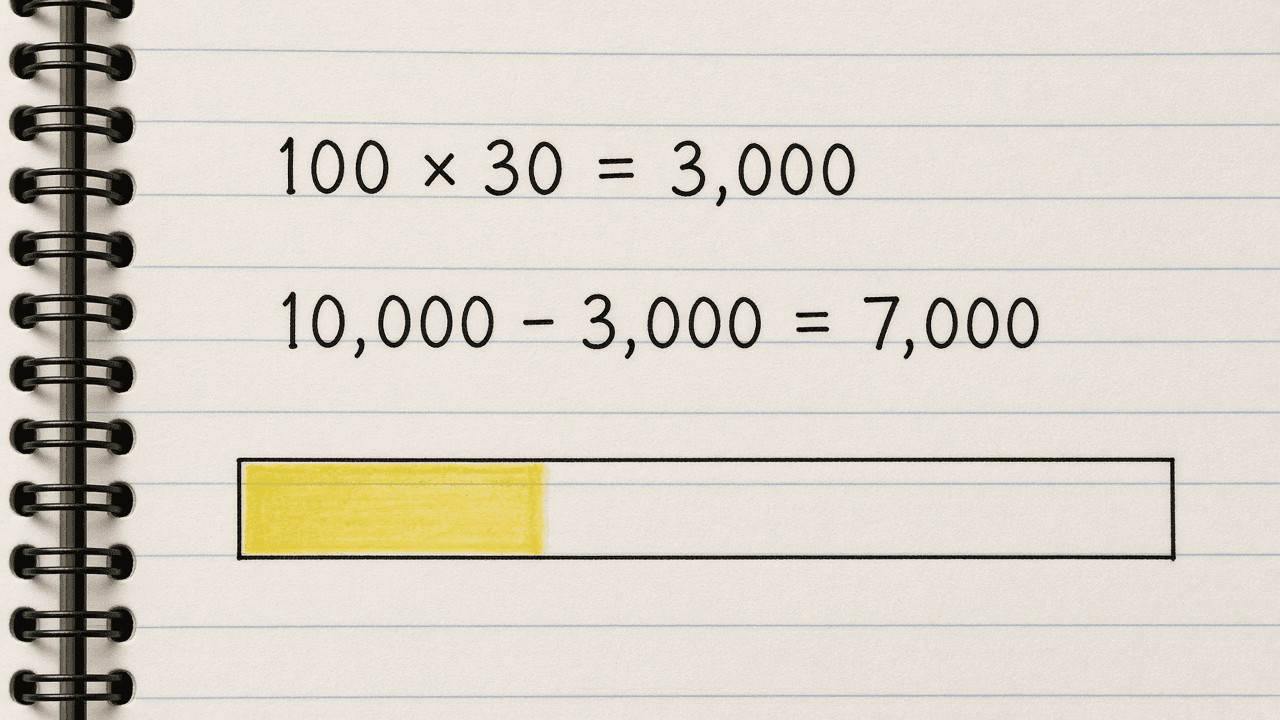
The math: 100 keywords tracked once a day, for 30 days, is 100 × 30 = 3,000 searches a month. SearchApi’s Developer plan covers 10,000 searches a month for $40 a month billed monthly, so 3,000 searches uses under half the plan, with 10,000 − 3,000 = 7,000 searches left over.
Add a Related Questions call for 20 of those 100 keywords. That is 20 extra calls a day × 30 days = 600 more searches a month. Total usage becomes 3,000 + 600 = 3,600 searches a month, still inside the 10,000 the Developer plan covers.
The hourly cap is a rate limit, a fixed cap on how fast a plan’s credits can be spent. It bites before the monthly cap does. SearchApi limits every plan to 20% of its monthly credits an hour, so the Developer plan’s 10,000 searches a month caps any single hour at 10,000 × 0.20 = 2,000 searches. A 100 to 120 keyword run finishes well inside that hourly cap if it runs in one burst.
What SearchApi’s price list leaves out
SearchApi’s price list does not say whether the plain google engine and the dedicated google_ai_overview engine bill at the same rate per search.
What to do next
Check Google Search Console first, free, for a quick read on whether a keyword might have lost clicks to an AI Overview. To track AI Overview presence directly, sign up for the 100 free requests SearchApi gives new accounts, then move to the Developer plan at $40 a month billed monthly once a script is tracking keywords daily. For any keyword with Related Questions, pass the page_token from the first call into the google_ai_overview call.
Sources · SearchApi pricing, October 27, 2026 · SearchApi Google engine docs, October 27, 2026 · SearchApi Google AI Overview API docs, October 27, 2026
Quotes · @VanZackAI on X, June 11, 2026 · @vibhestudio on X, September 3, 2026